
Catalog
By the Water
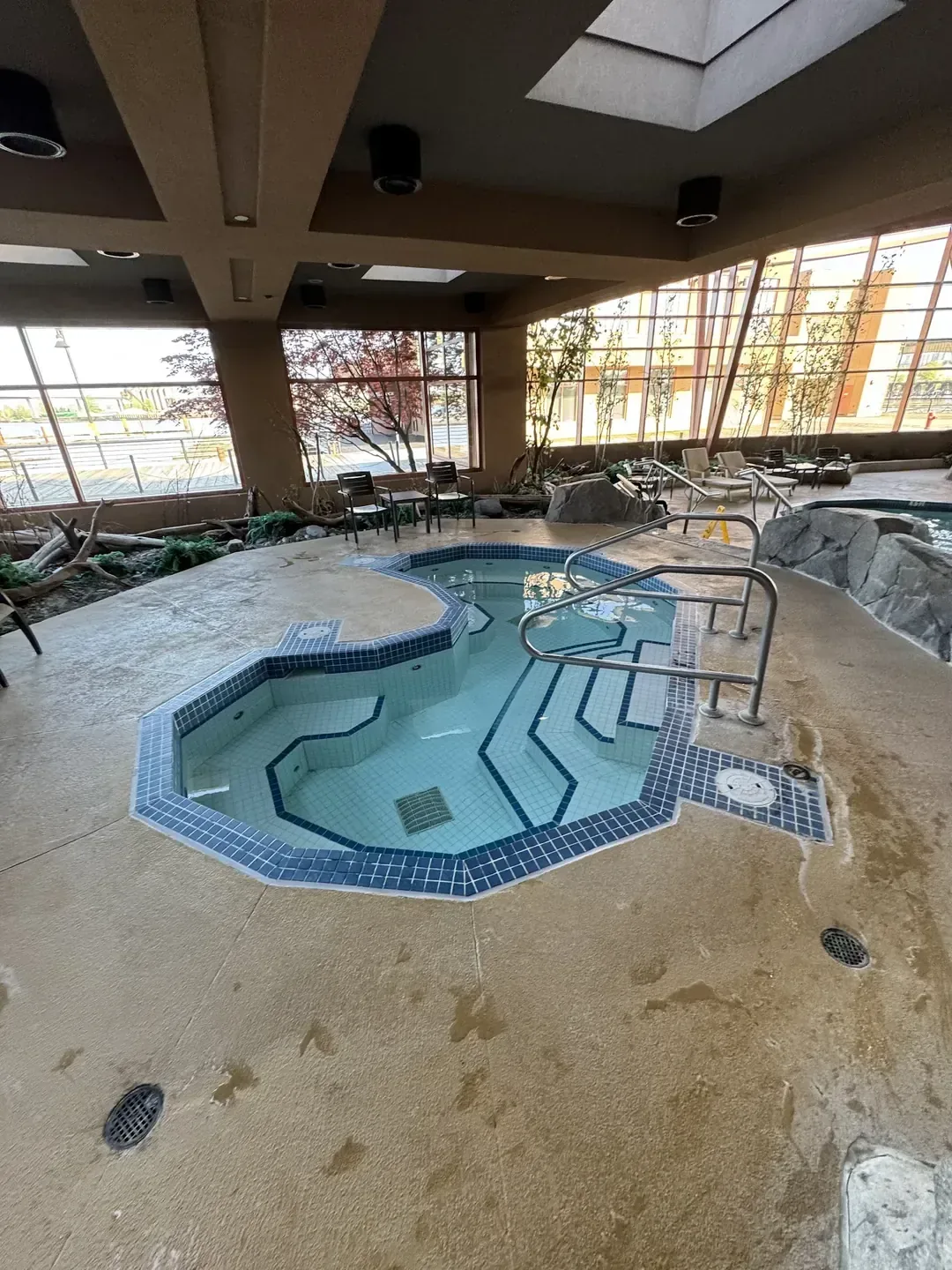
Properties where a river, lake or harbour front does most of the work of the stay — waterfront resorts and shoreline hotels described for their setting first.
Open By the WaterResort Bonus House gathers observational notes on resorts and integrated hotels — their setting, rooms, dining and surroundings — then points you to each property’s own official listing when you want fuller detail.
This site presents hospitality information independently. It does not manage bookings, availability, payments or guest services — those are handled by the official providers.
Properties where a river, lake or harbour front does most of the work of the stay — waterfront resorts and shoreline hotels described for their setting first.
Open By the Water
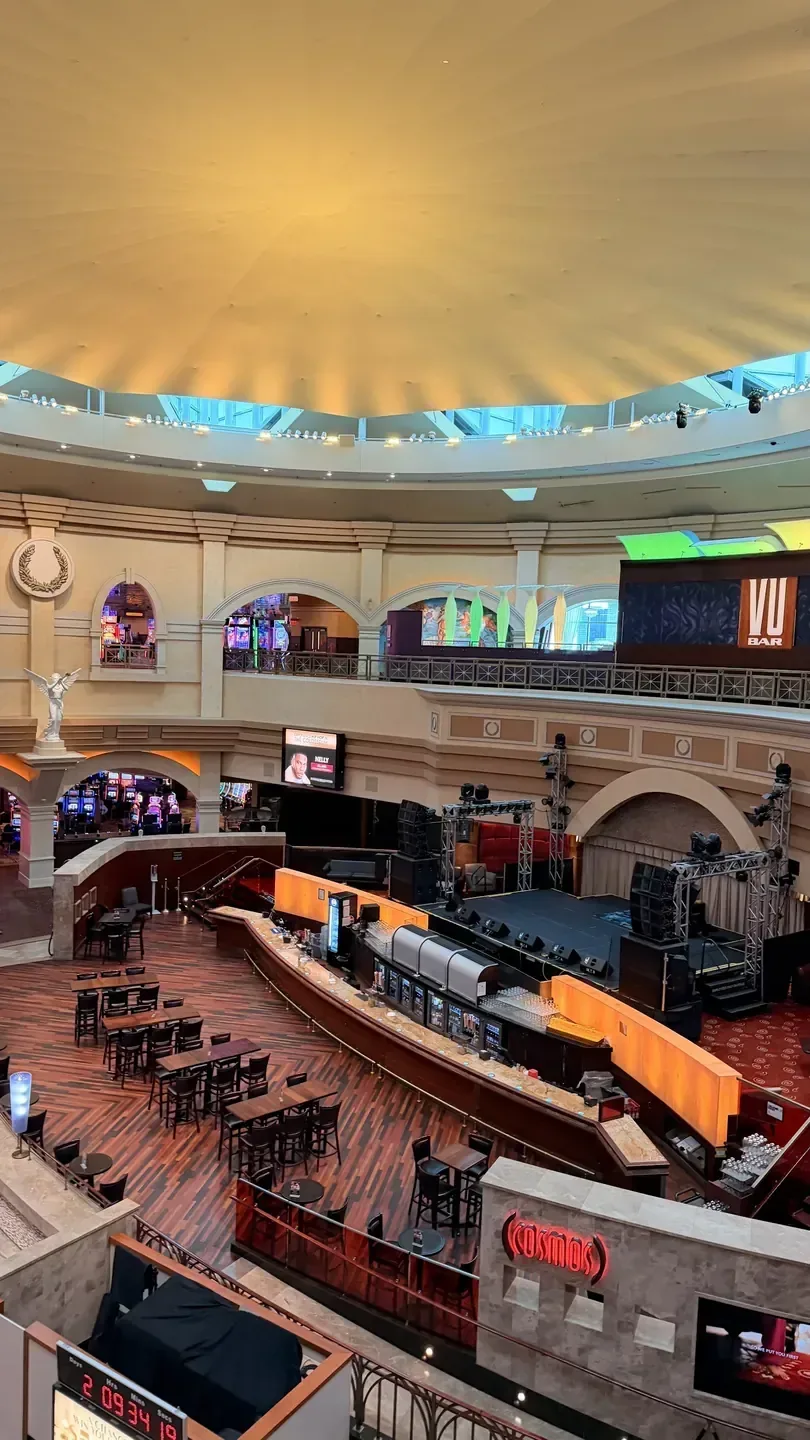
The largest and most fully-equipped properties in the guide — resorts and integrated destinations where dining, wellness and event space sit alongside the rooms.
Open Elite ExperiencesEntries span cities, lakeshores, prairie countryside and mountain corridors. The names below are the places where these properties stand — not a claim that the guide is limited to a single map.
This guide exists to describe hospitality places with a steady hand. Each entry follows the same spine — setting, category and what the surroundings suggest — so a reader can move from one property to another without changing lenses.
We do not rank hotels, invent urgency or dress description as a sales pitch. The page you are reading is a reference layer; the official listing remains the place for operational detail.
When something is unknown or outside our facts, we leave it unsaid. That restraint is deliberate: a short, accurate note is more useful than a long, decorative one.
Notice whether water, city streets or open countryside frame the approach. That first impression usually explains how the rest of the stay feels.
Our cards lead with that geography so you can decide if the place matches the pace you want.
A casino resort, a historic waterfront hotel and a downtown integrated destination each organise dining and rooms differently.
Use the category and star class as orientation, not as a scoreboard.
Every entry uses the same order of facts. If one card feels quieter than another, that is the property speaking — not a change in our format.
Consistency keeps comparison honest when you move between catalog pages.
When you need room layouts, policies or calendars, follow the listing link on the card.
Those details live with the provider; this guide does not hold them.
Readers write about the site itself — how it reads, how it is structured — not about individual stays.
I moved through the pages quickly. Nothing fought for attention, and the layout stayed out of the way of the writing.
Roland P.
Every property is described the same way. That even tone made it easier to trust what I was reading — nothing felt oversold.
Nathaniel L.
There was no pressure and no commercial urgency anywhere. I stayed longer because the guide never hurried me toward a decision.
Priya H.